
Gardeners, families flock to Rochester’s busy seed library

<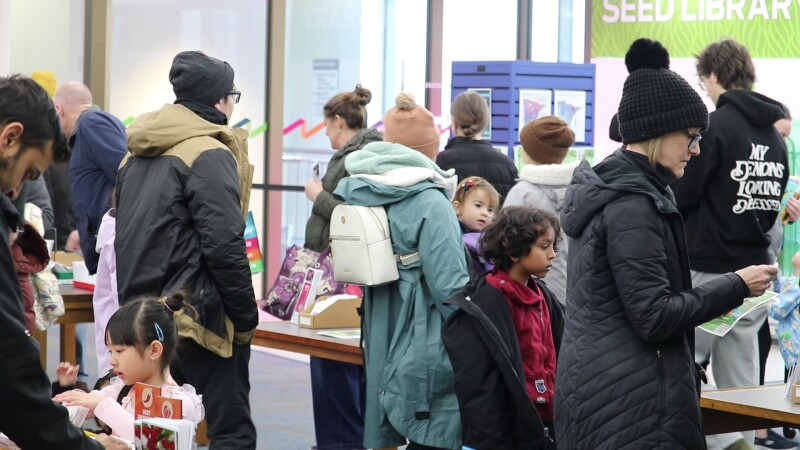
The demand reflects growing interest in home gardening and food access, volunteers said. Some participants have expanded beyond backyard plots to rentable garden spaces in Olmsted County parks, growing enough food to share within their communities.
The seed library also allows beginning gardeners to enter each planting season with renewed momentum, Sneve said.
“They can grow what they want, and even though there is some labor involved in getting those seeds in the ground, they can see the benefits of that,” Sneve said. “It brings a lot to your mental health in the sense of, this is very positive.”
Sneve said a recent trend is gardeners growing both flowers and vegetables.
“People want to really branch out, and that tells me one — they’re becoming confident. Two, they’re really interested in gardening,” she said. “Instead of just saying I only want to grow flowers, now they’re like we want to grow all these different things and be more creative with their spaces that they have, which is really cool.”
Master Gardener volunteers were on hand to answer questions about when and how to plant.
“When should I start my seeds outside? Is it OK to start my seeds now in the house?” Sneve said were common questions. “No, it’s too soon — but for sure after March 15.”
Peas and onions can be planted outdoors earlier in the season, Sneve said, while crops such as peppers and tomatoes are typically started indoors as seedlings and transplanted later in the spring.
“That time will come sooner than it seems,” she said.
“I’d wait a few weeks so you have around 10 weeks or so before you want to put them outside,” Sneve said.
Save the seeds
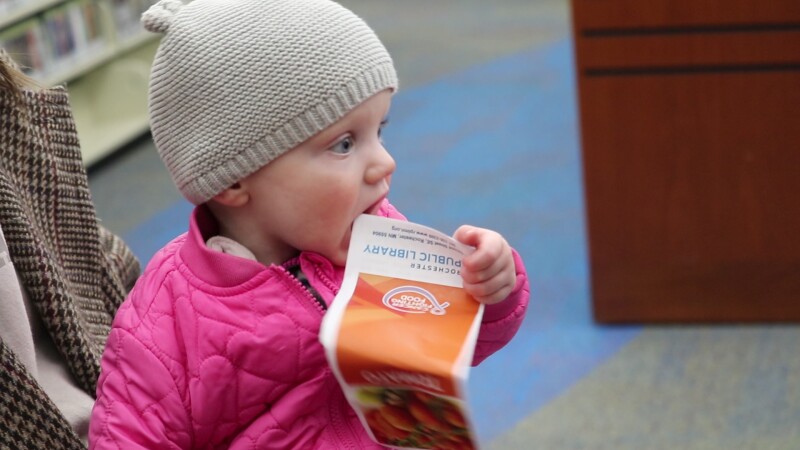
The 10-packet limit this year is five fewer than last year. Seed saving remains central to the library’s long-term success. Most of the seeds offered are heirloom varieties that require gardeners to save and return them to keep the varieties in circulation.
Gardeners can use saved seeds for the next growing season or share them with neighbors and friends, Sneve said, which helps ensure the seed library’s future.
“If we don’t have seeds, eventually they will run out,” Sneve said. “It’s very easy to save the seed.”
New gardeners may feel overwhelmed by the process, but Sneve said it can sound more complicated than it is — typically allowing part of a mature crop to dry before storing the seeds. She recommends classes available online and in person at the library to demonstrate how to dry and store seeds for the next season.
“It’s always helpful to look at something that really worked well, or was a strong crop of beans, cucumbers, whatever it may be, and it’s very easy to save the seed,” she said.
Family garden
Families made a special trip to browse seed tables on opening day.
“It’s a great experience to have with their families,” Sneve said.
Alexis Otis attended the seed library opening with her four children and husband, Jake. The seed library has become a tradition for them, but this year was the first time they attended opening day.
“The seed library gets us in the mood to garden and starts the gardening season off,” Otis said. “Gets the kids excited too, to pick out some seeds.”
The family uses raised beds, with each child getting “their own little garden space,” she said.
“I like to eat food that you grow,” Finnley Otis said. “I learn from my parents and just from experience.”
His siblings — Greta, Arlo and Rue — helped select carrots, herbs, winter squash, onions and watermelon, along with some new items.
“I had never heard of mizuna lettuce, so I’m excited to try something new,” Alexis Otis said. “There’s a big variety — choices that I probably wouldn’t pick in a store.”
]]>

