
Cool and dry weather conditions make for an abnormal planting season in South Dakota

<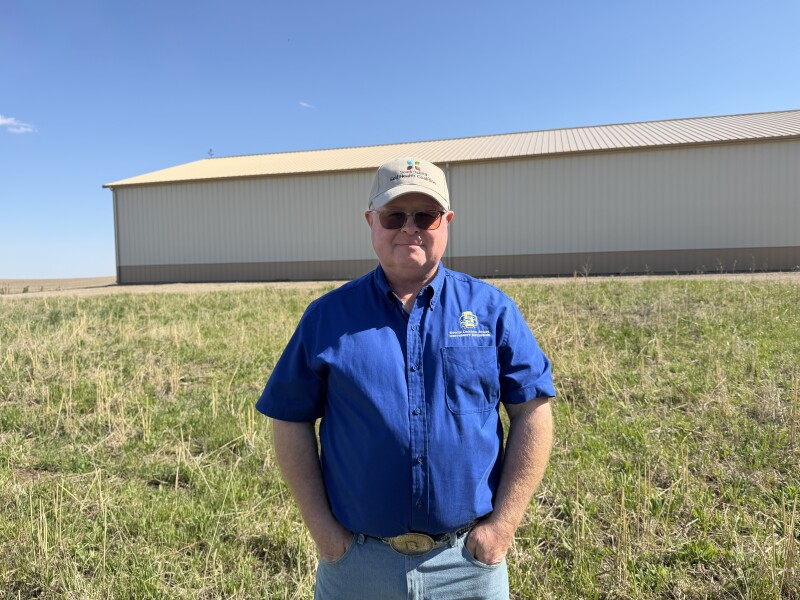
However, Bly said planting conditions are excellent.
“I hear farmers telling me all the time it’s just perfect planting conditions,” he said. “And that kind of enticed a lot of producers into the field because they know it can turn fast and has turned fast and if it gets wet, nobody likes that. So take advantage of those good conditions. But, that in combination with being a little early and then cold could cause some problems.”
With cooler days in the forecast, some producers opted to wait for more consistently warm temperatures. According to the USDA’s crop progress report, released on May 11, South Dakota producers had planted about 53% of corn acres, up from 27% the week before. Meanwhile, 8% of that corn had emerged.
Soybeans also jumped from 14% planted on May 3, to 34% on May 10. Oats reached 92% planted and 54% emerged on May 10.
“Some have clearly waited. I do know a few farmers that have waited and that’s OK too. But, it’s cool. We need some heat,” Bly said.
As of May 7, the middle and southern part of the state is in abnormally dry to extreme drought conditions according to the U.S. Drought Monitor. But, for some producers, they say planting is still going well.
“Planting is going pretty good even though it’s a little dry,” said Kurt Stiefvater, a no-till crop producer near Salem, South Dakota. “It makes nice conditions, and we don’t have to turn around for potholes or wet spots. I’d say it’s just a little dry on top, but we got some recent rains to help fill that and get our moisture in the surface back in there for a good soil seedbed.”
The wind doesn’t help.
“We got some recent rains to help get the moisture back on the surface, but a lot of windy days and low-humidity days have kind of drawn some of that moisture back out,” Stiefvater said.
“We’ve had some really good wind events. We’ve seen soil blowing all over. I’ve got pictures, received pictures from producers and other people about dust storms,” Bly said. “It’s just drying out the soil and coupled with really low humidity — we’ve had a lot of low humidity in the last couple of months, that’s just taken the water out of our soil.”
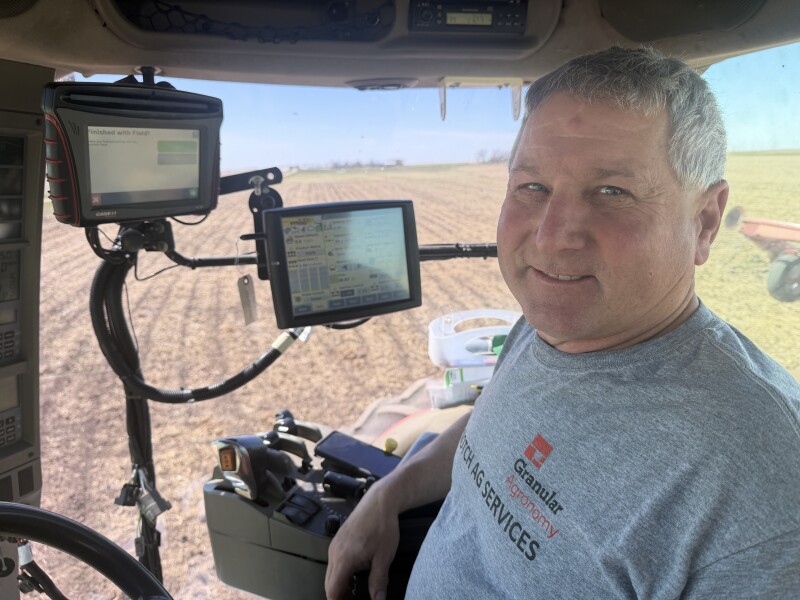
Stiefvater said he has been preserving some of the moisture because of his no-till practices.
“My no-till here, keeping the ground covered, really preserving some of that moisture and it seems like it’s in pretty good shape, too. Have good soil to seed contact and get the seed in there nice,” he said.
2025 also started as a dry planting season, before receiving timely rains in May and through a majority of the growing season, Bly said.
“And some producers reported record yields for their farm, corn yields,” he said. “Then in about August in places that kind of shut off a bit and some of those longer maturity beans, they were average. So, the early maturity beans did quite well because they were finishing on that rain that came in June and July. This year, we are dry.”
With the dry, cool conditions, there is less weed emergence.
“I don’t think we’re going to have a lot of issues with weeds taking over,” Bly said.
Soil temperatures are also cool. Bly said ideally, you want to see soil temperatures at least 50 degrees, three days in a row at 8 a.m., and as of May 14, they hadn’t had that yet in his area north of Sioux Falls.
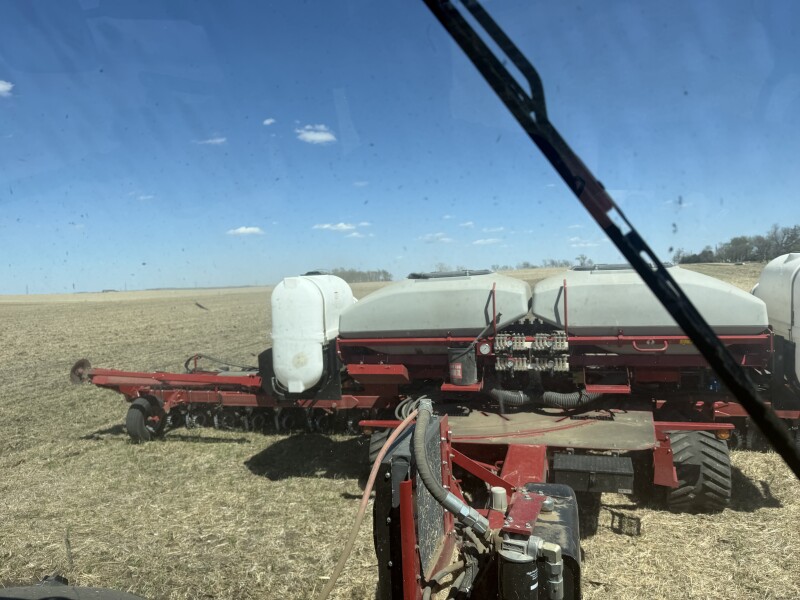
Stiefvater said that soil temperatures are also behind at his farm.
“The soil temp isn’t very warm for our seeds to be germinating. I would say it’s a little behind schedule for the temperature of the soil to be warm enough to have good germination,” he said.
He has to wait for the soil temperature to reach around 60 degrees before planting his sorghum.
“So my planting season strings out a little bit, but it will probably be the first of June or after before I finish,” Stiefvater said.
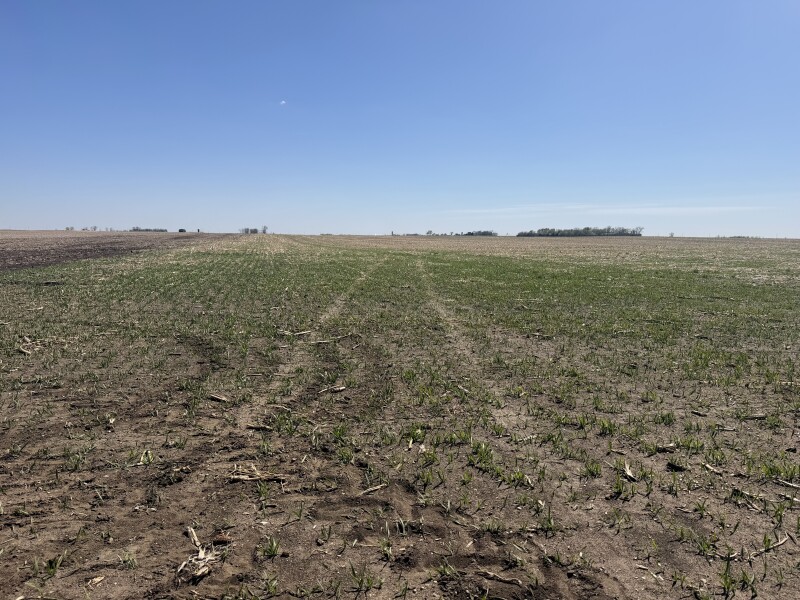
Stiefvater said the cold temperatures may have caused damage to his oat crop and alfalfa.
“Oats that was up probably did get a little frost and some of the alfalfa and grass looks like it’s got set back from the frost and cold nights,” he said.
If he gets some timely rains, Stiefvater thinks the seeds will be fine and germinate uniformly and the chemicals will work effectively.
“We just keep hoping for a timely rain to finish out the season and have a good crop,” he said.
]]>
